


NEWS XTRA
RAINY SEASON WORSENS DISEASE, HUNGER CRISIS IN ZAMFARA – MSF
Médecins Sans Frontières has raised concerns over deteriorating health and humanitarian conditions in Zamfara State, warning that the rainy season is fuelling outbreaks of malaria, cholera, typhoid fever, and acute malnutrition across vulnerable communities.
In a statement issued on Monday, the humanitarian medical organisation said the annual rainy season, which runs between May and September, has become a period of heightened health risks for families already affected by insecurity, displacement, and poverty.
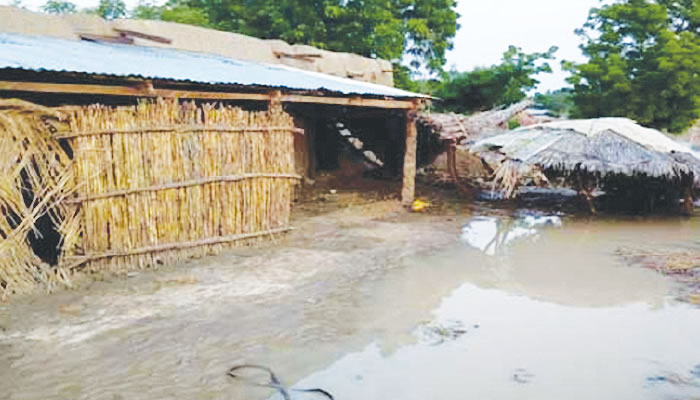
MSF noted that flooding, stagnant water, poor sanitation, and overcrowded living conditions are increasing the spread of infectious diseases, while food shortages and limited access to healthcare continue to place thousands of residents at risk.
According to the organisation, stagnant floodwaters create breeding grounds for mosquitoes, resulting in a rise in malaria infections. At the same time, contaminated water sources contribute to outbreaks of cholera, typhoid fever, and other waterborne diseases.
MSF disclosed that it treated 136,778 malaria patients and 13,877 cholera cases in Zamfara State in 2025 alone.
The organisation also highlighted the growing burden of typhoid-related complications, particularly among children, warning that delayed treatment often results in life-threatening conditions requiring emergency surgery.
Beyond disease outbreaks, MSF said the rainy season coincides with the annual lean season, when food supplies become scarce, and malnutrition rates increase significantly.
According to the organisation, it treated 60,566 malnourished children in Zamfara during 2025, with children under 15 years of age and pregnant women identified as the most vulnerable groups.
MSF further expressed concern over worsening access to healthcare in conflict-affected communities, citing insecurity, flooded roads, damaged bridges, and rising transportation costs as major obstacles preventing patients from obtaining timely medical treatment.
The organisation said many displaced families continue to live in difficult conditions, often without access to mosquito nets, clean water, or adequate shelter, leaving them more exposed to disease.
To address the situation, MSF said it currently operates and supports four healthcare facilities across northern Nigeria to manage seasonal disease outbreaks and treat malnutrition cases.
The organisation called for urgent interventions, including improved access to clean water and sanitation facilities, expanded vaccination campaigns, and better-equipped healthcare centres to reduce preventable illnesses and deaths during the rainy season.
MSF stressed that most of the diseases and fatalities recorded during the period could be prevented through early intervention, public health measures, and improved access to essential healthcare services.