


CAREER & JOBS
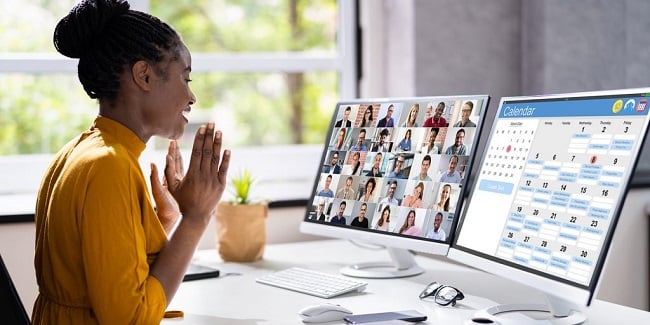
REMOTE JOBS: 5 TOOLS EVERY REMOTE WORKER MUST KNOW IN 2026
There’s a certain type of panic only remote workers understand.
Your client is waiting.
Your internet is acting possessed.
Your deadline is by 5 PM.
Slack notifications are entering like machine gun bullets.
And somehow, your laptop decides that exact moment is the perfect time to update.
Welcome to remote work in 2026.
A lot of Nigerians think remote work is just “sit at home and collect dollars.”
Until they actually enter the space and realize something important:
Remote workers are not just surviving on skills anymore.
They are surviving on tools.
Because in today’s digital economy, the difference between an overwhelmed remote worker and a productive one is often not talent — it is systems.
The right tools can save time, reduce stress, increase income, and make you look 10x more professional online.
The wrong setup?
You’ll spend half your life searching for files, forgetting deadlines, and typing “sorry for the late response” every three business days.
So whether you are a writer, designer, VA, freelancer, tech bro, social media manager, or someone trying to enter remote work for the first time, these are five tools every remote worker in Nigeria seriously needs to know in 2026.
1. Notion — The Digital Brain Every Remote Worker Needs
If your life currently exists in random WhatsApp messages, scattered notes, screenshots, and “I’ll remember it later,” then you need help.
And that help is called Notion.
Notion is basically a second brain for remote workers.
You can use it to:
organize projects,
track clients,
manage content calendars,
store ideas,
plan tasks,
create schedules,
save passwords,
write documents,
and basically stop your life from looking like digital confusion.
What makes Notion powerful is flexibility.
Writers use it differently.
Designers use it differently.
Virtual assistants use it differently.
But everybody uses it to stay sane.
And honestly, once you start using it properly, going back to messy note-taking feels illegal.
You’ll suddenly understand why remote workers online keep saying: “Everything is in my Notion.”
2. Slack — The App That Replaced Office Noise
Remote teams don’t gather around office desks anymore.
Now they gather inside Slack channels.
Slack is where remote work conversations happen:
team discussions,
client updates,
project collaboration,
file sharing,
quick questions,
announcements,
and those awkward “good morning team” messages nobody replies to.
For Nigerians entering remote work, Slack can initially feel overwhelming.
Too many channels.
Too many notifications.
Too many people typing “circle back.”
But once you understand it, you realize this app is basically the heartbeat of remote companies.
In fact, many employers silently judge professionalism based on how you communicate on Slack.
One dry reply can accidentally sound rude.
One missed message can delay an entire project.
That’s how important communication has become in remote work culture.
3. Canva — The Tool That Made Everybody Feel Like a Designer
Canva changed the game completely.
Before Canva, creating clean designs required serious graphic design knowledge.
Now?
A small business owner with zero design background can create flyers in 15 minutes while eating Gala and drinking Pepsi.
For remote workers, Canva is no longer “optional.”
Even if you are not a designer, chances are you’ll still need to:
create presentations,
make social media graphics,
edit resumes,
build portfolios,
design proposals,
or create content thumbnails.
And for Nigerians especially, Canva became popular because it lowered the barrier to entry.
You no longer need expensive software before looking professional online.
That’s why many freelancers now use Canva as their emergency survival tool.
Client suddenly asks for a quick banner?
Canva.
Need a clean LinkedIn carousel?
Canva.
Need to pretend you have your life together visually?
Definitely Canva.
4. Zoom — The Interview Battlefield
If remote work had an official meeting room, it would probably be Zoom.
This app became the center of online interviews, remote meetings, webinars, training sessions, and client calls.
And let’s be honest:
Zoom has exposed many Nigerians emotionally.
Because nothing humbles a person faster than:
unstable network during introductions,
forgetting to unmute,
speaking for two minutes before realizing nobody heard anything,
or hearing “your audio is breaking.”
But jokes aside, Zoom remains one of the most important tools remote workers need to master.
Why?
Because remote work is not just about skill anymore.
It is also about presence.
How you speak.
How you communicate.
How you present yourself online.
Some people lose opportunities simply because they look unprepared during virtual meetings.
In 2026, your Zoom professionalism is slowly becoming part of your career identity.
5. Google Workspace — The Invisible Engine Behind Remote Work
Most remote workers use Google Workspace daily without even realizing how powerful it is.
Google Docs.
Google Sheets.
Google Drive.
Google Meet.
Google Calendar.
These tools quietly run modern remote work.
Need to collaborate on a document with a client abroad?
Google Docs.
Need to share large files?
Google Drive.
Need to track data or finances?
Google Sheets.
Need to schedule meetings across time zones?
Google Calendar.
Google Workspace is basically the digital office itself.
And in Nigeria, where laptops can crash unexpectedly and phones can disappear mysteriously, cloud storage is not luxury — it is survival.
Because one accidental file loss can destroy weeks of work.
The Real Truth About Remote Work in 2026
A lot of people think remote workers are simply “lucky.”
But what many don’t see is the amount of systems, structure, and self-management happening behind the scenes.
Remote workers are constantly balancing:
deadlines,
clients,
internet issues,
communication,
organization,
time zones,
distractions,
and mental exhaustion.
That’s why tools matter.
The best remote workers are not necessarily the smartest people online.
They are often the people with the best systems.
The Future Is Here
In 2026, remote work is no longer the future.
It is already here.
And somewhere in Nigeria right now, someone is quietly building a career from their bedroom with nothing but:
a laptop,
WiFi,
determination,
and the right digital tools.
Because these days, your office is no longer a building.
It is your internet connection.