


BREAKING NEWS
REPS SEEK REGULATORY FRAMEWORK FOR ELECTRIC VEHICLE, CNG IMPORTS
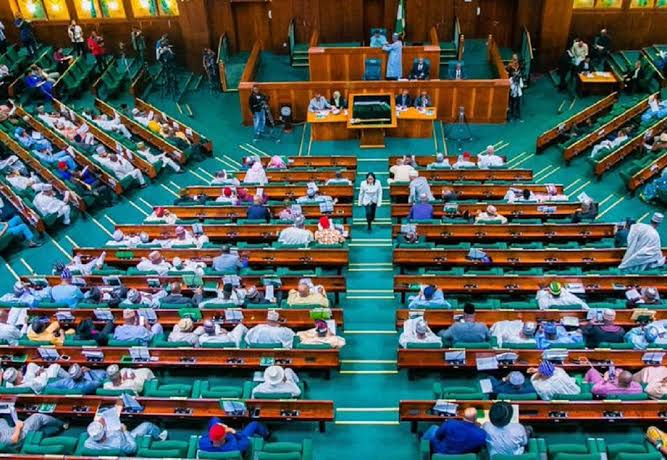
The House of Representatives has called for clearer rules governing the importation of electric and compressed natural gas vehicles into Nigeria, saying import incentives should be tied to investment in local infrastructure and technical support.
The proposal followed a motion moved by Lagos lawmaker Ademorin Kuye during Tuesday’s plenary.
Kuye said companies bringing clean-energy vehicles into the country should have the facilities and expertise to support customers, rather than simply benefiting from import duty concessions and tax reliefs.
The House highlighted the need for charging points, CNG refuelling stations, maintenance centres, genuine spare parts and reliable after-sales services.
Lawmakers argued that linking incentives to measurable local investment could create jobs, improve technical skills and encourage technology transfer.
They urged the Federal Government to establish a transparent licensing and approval system for commercial importers of electric vehicles, CNG vehicles and related equipment.
The House also called on the National Automotive Design and Development Council to work with other relevant agencies to develop clear eligibility requirements.
Under the proposed framework, importers would need certified service and maintenance centres in Nigeria, genuine spare parts, warranty support and qualified Nigerian technicians.
Companies would also be expected to invest in training local personnel, helping build the workforce needed to support cleaner transportation across the country.