


INTERNATIONAL
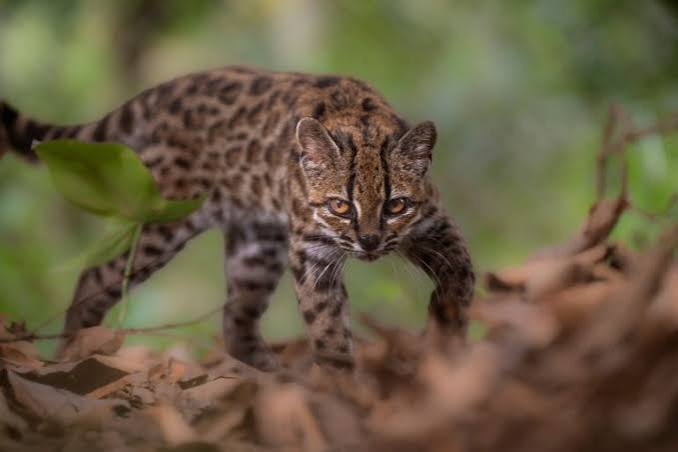
SCIENTISTS IDENTIFY BOLIVIA’S FIRST NEW WILD CAT SPECIES IN A CENTURY
Scientists have identified a previously unknown species of wild cat in Bolivia, marking the first time in more than 100 years that a new living cat species has been formally described. The small spotted feline, known locally as the Tilcayo tiger cat, was identified in the mountainous Yungas region near Bolivia’s capital, La Paz. Researchers have given it the scientific name Leopardus tilcayo. The discovery was announced after years of research and genetic analysis by an international team of scientists.
The Tilcayo is smaller than an average domestic cat, measuring about 45 centimetres in length and weighing around three pounds. It has rounded ears and a leopard-like spotted coat. Local residents had previously mistaken the animal for an ordinary house cat, while one male was taken in by a family before eventually being transferred to an animal shelter in the Yungas. A female was also rescued and released into the wild after being attacked by local residents.
Biologist and National Geographic Explorer Paola Nogales-Ascarrunz, who was part of the research team, said the discovery was remarkable because no new wild cat species had been described for about a century. Scientists first encountered the unusual animal years ago, but it was initially believed to belong to an already known group of tiger cats. Further investigation began after researchers noticed differences in its physical appearance, particularly the pattern of its coat.
Genetic testing eventually confirmed that the Bolivian cat was distinct from other tiger cats. Researchers analysed genetic material from 38 cats across several South American countries and found that the Tilcayo lineage separated from other tiger cats about 1.4 million years ago. The findings, published in the journal Current Biology, also revealed that tiger cats previously considered to belong to fewer groups actually comprise five genetically distinct species. Scientists also identified a new subspecies in Peru, named Leopardus tigrinus antisuyo.
Researchers said much about the Tilcayo remains unknown, including its population size, diet, reproduction and behaviour in the wild. So far, the species has only been confirmed in Bolivia's Yungas forest, an ecosystem facing pressures from deforestation, agriculture and mining. Scientists have warned that its limited known population could place it at significant risk, while conservation authorities are considering how its newly recognised status should affect efforts to protect the species and its habitat.