


HEALTHPLUS
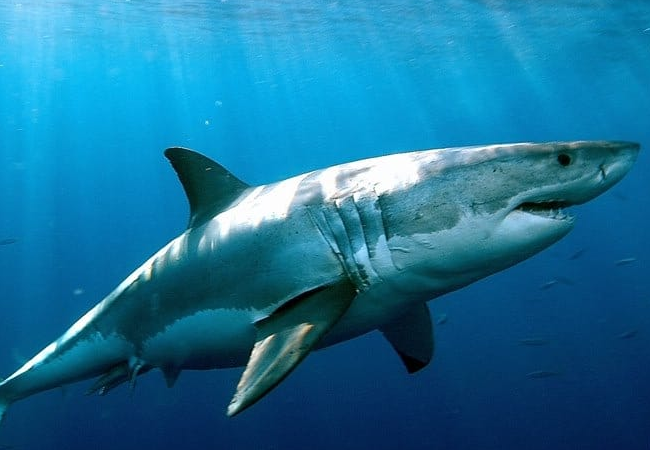
SHARKS TEST POSITIVE FOR COCAINE, CAFFEINE IN BAHAMAS
Scientists from Brazil have discovered traces of cocaine, caffeine, and painkillers in sharks inhabiting waters around the Bahamas, raising concerns about increasing marine pollution.
The findings, published in the journal Environmental Pollution, revealed that these substances are entering marine ecosystems due to human activities such as sewage disposal and waste from tourism and urban development. Researchers noted that pharmaceuticals and illicit drugs are now considered emerging contaminants in ocean environments.
To investigate the issue, scientists analysed blood samples from 85 sharks around Eleuthera, a remote island in the Bahamas. Of these, 28 sharks across three species tested positive for various substances, with caffeine being the most commonly detected.
Other substances found included acetaminophen and diclofenac, common ingredients in painkillers, while two sharks tested positive for cocaine. Researchers suggested that sharks may ingest such substances by biting into contaminated waste or drug packages that end up in the ocean.
According to study author Natascha Wosnick, human activity is a major contributor to the contamination, with wastewater discharge playing a significant role.
Although the full impact on shark behaviour remains unclear, scientists observed changes in metabolic markers, indicating stress and increased energy use as the animals attempt to process the pollutants. Experts warn that the findings highlight a growing environmental issue with potential consequences for marine life and ocean health.