


GOVERNMENT & POLICY
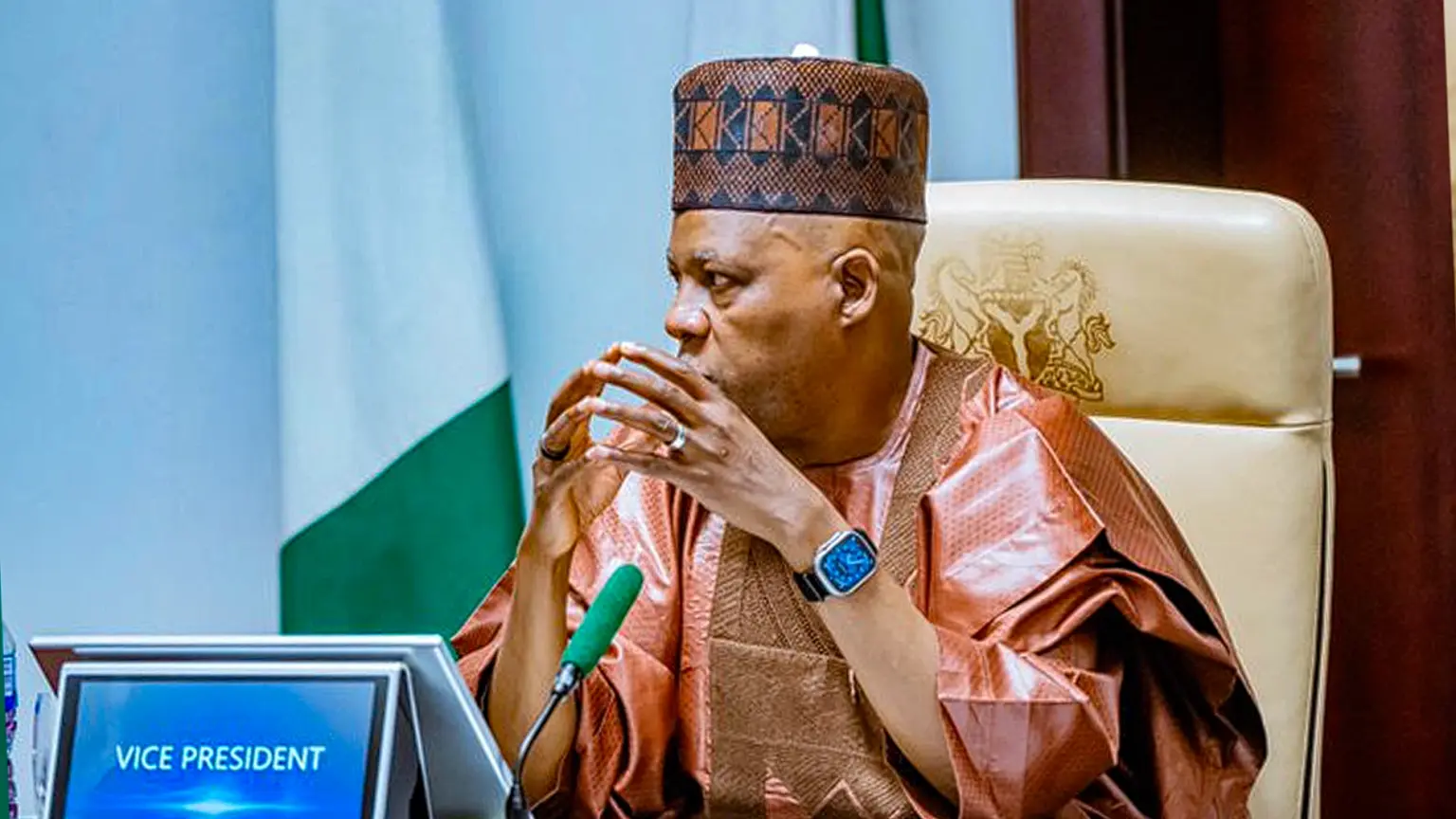
SHETTIMA TACKLES ATIKU, OBI OVER FUEL SUBSIDY, OTHERS
Vice-President Kashim Shettima has criticised former Vice-President Atiku Abubakar and former Labour Party presidential candidate Peter Obi over their positions on fuel subsidy removal and other economic policies, defending the Federal Government’s approach to addressing Nigeria’s economic challenges.
Shettima’s remarks come amid growing political exchanges ahead of the 2027 general elections, as opposition figures intensify criticism of the administration’s economic management and the impact of its reforms on Nigerians.
The vice-president maintained that the government’s decision to remove fuel subsidies was necessary to address longstanding fiscal challenges and reduce the financial burden associated with maintaining the subsidy regime. He argued that the previous arrangement placed considerable pressure on public finances and limited the resources available for development projects and essential services.
Fuel subsidy removal has remained one of the most controversial economic decisions of President Bola Tinubu’s administration. Although the government has defended the policy as necessary for long-term economic stability, many Nigerians have faced increased transportation costs, higher prices of goods and services, and mounting pressure on household budgets.
Atiku and Obi have repeatedly raised concerns about the implementation and consequences of the government’s economic policies, calling for greater accountability, improved economic management and measures to cushion the effects of rising living costs.
The political disagreement reflects competing views on how Nigeria should address its fiscal challenges while protecting vulnerable citizens. While the government argues that reforms are needed to correct structural weaknesses, opposition figures have questioned whether the policies have delivered sufficient benefits to ordinary Nigerians.
Beyond fuel subsidy, the debate also touches on inflation, foreign exchange management, employment, public spending and the broader direction of the economy. These issues are expected to feature prominently as political parties prepare their messages and strategies for the 2027 elections.
Shettima’s response underscores the administration’s determination to defend its economic record and challenge the alternatives proposed by opposition leaders. However, the effectiveness of the government’s approach will ultimately be judged by its ability to improve economic conditions and restore purchasing power.
As political exchanges continue, Nigerians are likely to focus less on rhetoric and more on whether competing policy proposals can deliver lower living costs, increased employment opportunities and sustainable economic growth.