


AVIATION
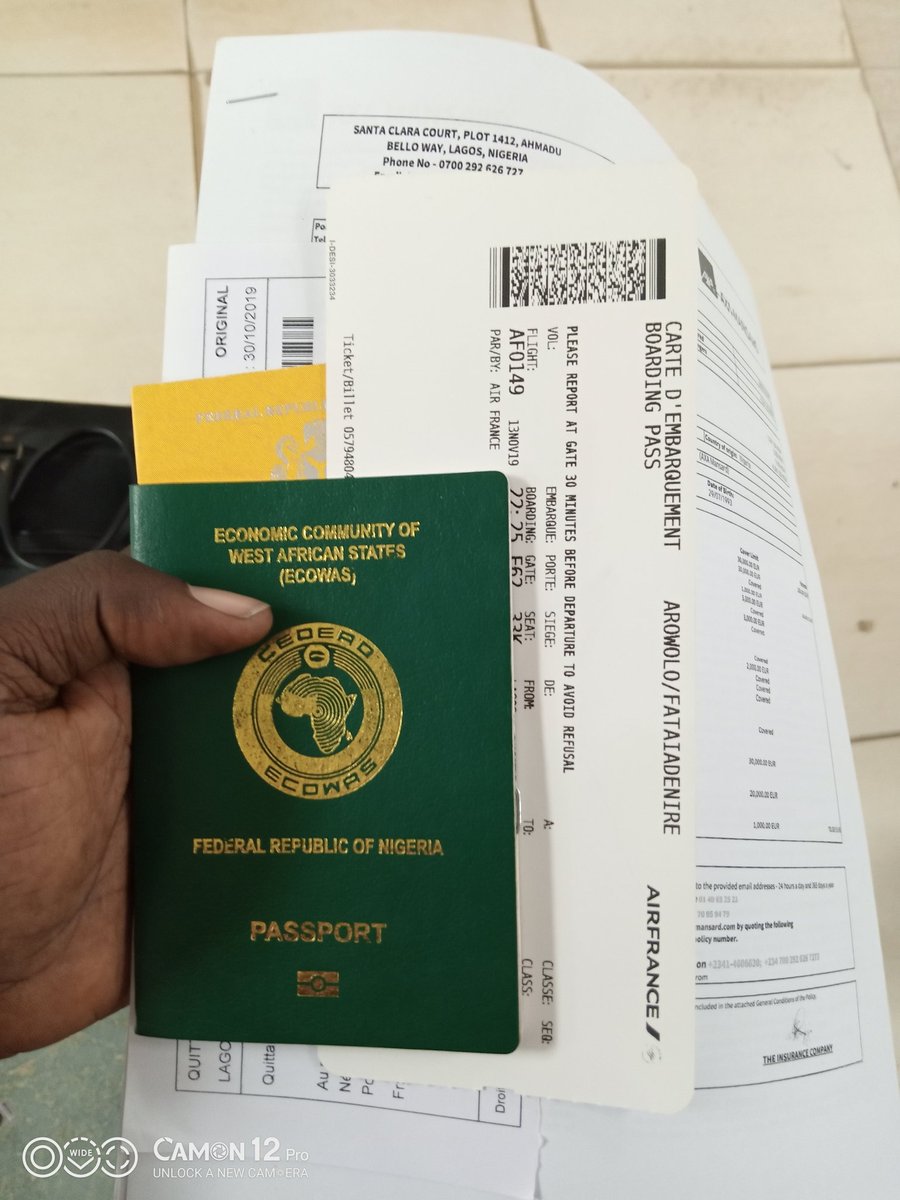
TAXES ACCOUNT FOR OVER 70% OF AIRLINE TICKET PRICES – AIRCRAFT OWNERS
Dr. Alex Nwuba, President of the Aircraft Owners and Pilots Association, has urged the Federal Government to reform Nigeria’s aviation cost structure, warning that high taxes and charges are ultimately passed on to passengers.
In a Saturday interview with ARISE News, Nwuba revealed that more than 70% of an airline ticket’s cost comes from fees and taxes, while the airfare itself constitutes only a small portion.
“If you examine your ticket, over 70% of the price is related to charges and taxes. This is a concern for the entire industry, not just passengers, and the Federal Government should review these costs,” he stated.
He commended Nigeria’s aviation safety record, noting that in a century of aviation operations, fewer than 1,500 lives have been lost in aviation incidents, making air travel comparatively safer than other modes of transport.
Nwuba also highlighted structural challenges beyond ticket costs, particularly high financing expenses.
“Beyond charges, all related costs are affected. Airlines are struggling financially, while airport operators and service providers continue to report double-digit revenue growth. The issue must be addressed from the regulator and government side, as there are simply too many costs imposed on the industry,” he explained.
He added, “Interest rates are also a major factor. With the Central Bank’s minimum rate at about 19%, airlines end up paying around 37% in financing costs for equipment and operations, and this burden is passed to passengers. The core problem in the aviation sector is the cost structure.”
Nwuba pointed to fuel costs as another significant factor, saying, “Fuel accounts for over 40% of an airline’s operating costs, and we pay 17% more for it. Airport revenues are partly remitted to the Federal Government, leaving only half to maintain services, which forces operators to levy higher charges on airlines and passengers.”
He stressed that revising the cost structure would improve connectivity and make air travel more affordable.
Regarding ongoing discussions with the Minister of Aviation, Nwuba stated, “We are engaging with the minister and relevant agencies through the Aviation Safety Roundtable on cost-related issues. Many charges borne by passengers in Nigeria are higher than in other African countries, and reform is needed.”
He called for a reevaluation of revenue allocation, suggesting that airport and agency revenues be retained within the agencies to allow for lower fares.
Addressing these issues, Nwuba concluded, “Reforming the cost structure will enhance airline connectivity and affordability across the country.”
Obiora Okonkwo, Chairman of United Nigeria Airlines, similarly warned that excessive taxes and high financing costs are “suffocating” Nigerian airlines and making regional flights uncompetitive. He noted that passengers often pay about $100 in additional costs before even purchasing a ticket, while airlines face interest rates exceeding 30%. He called on the government to cut charges and support airlines with single-digit interest loans.