


BREAKING NEWS
TINUBU: NIGERIA TO SPEND $11.6 BILLION ON DEBT SERVICING IN 2026
President Bola Tinubu has disclosed that Nigeria will spend $11.6 billion on debt servicing in 2026, an amount that represents nearly half of the country’s projected government revenue for the year.
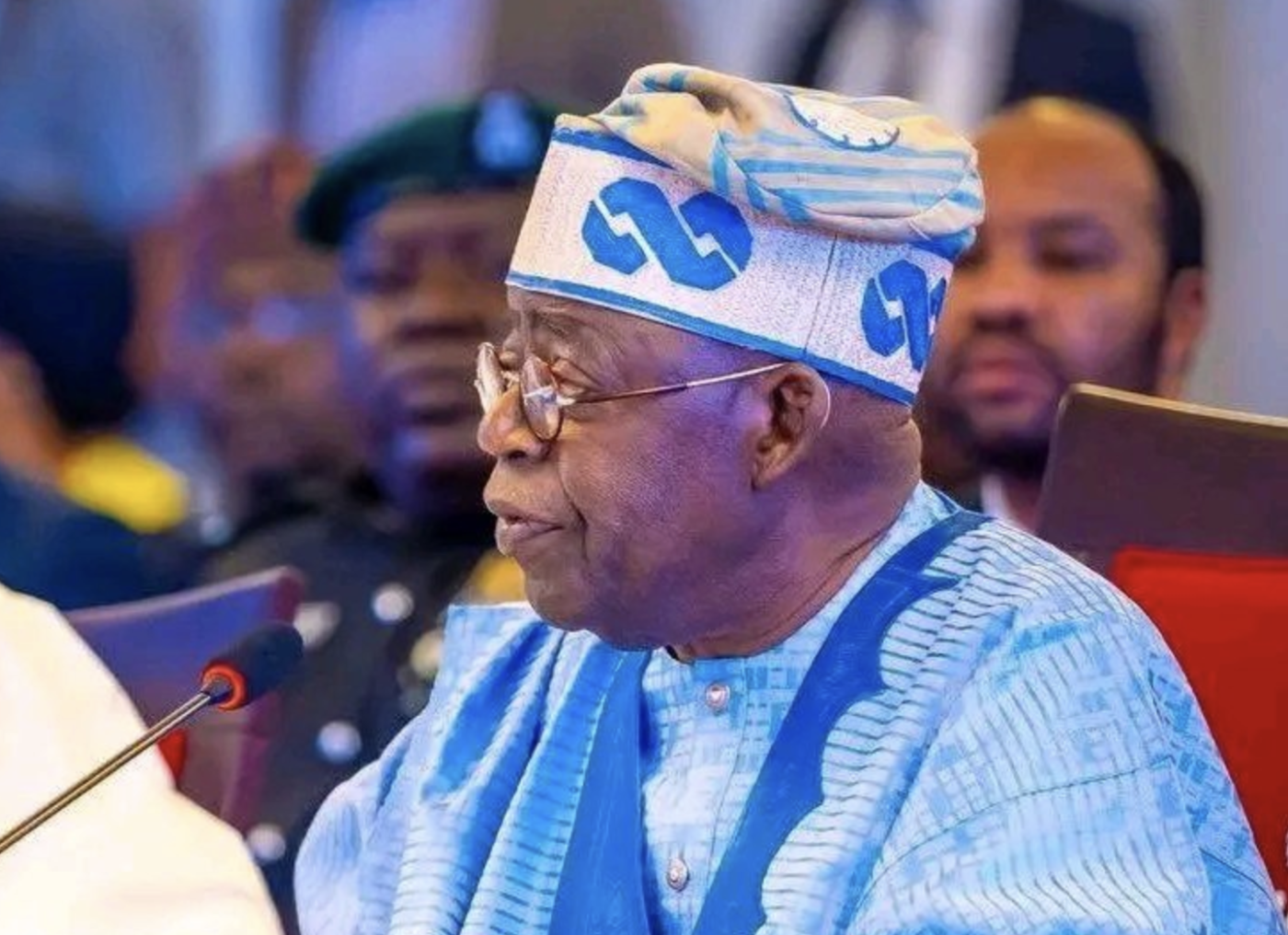
The President made the revelation on Tuesday while speaking at the Africa Forward Summit in Nairobi. He described the huge debt service burden as a major constraint on Nigeria’s ability to fund industrial development and other critical needs.
According to Tinubu, the $11.6 billion figure is more than double the $5.15 billion projected for debt servicing in 2025. He blamed the situation on the unfair global financial system that charges African countries higher interest rates because they are seen as high-risk borrowers.
Despite the challenge, the President highlighted some positive developments from recent economic reforms. These include the removal of fuel subsidies, exchange rate unification, a lower debt-to-GDP ratio of 32.3%, and foreign reserves that have grown to $45.5 billion.
He used the opportunity to call for a complete overhaul of the global financial architecture so that African nations can access cheaper and fairer financing for development.
Debt servicing continues to take a large share of Nigeria’s annual budget. In the 2026 budget recently signed by the President, debt service is allocated around ₦15.8 trillion, which aligns with the dollar figure he mentioned.
Many Nigerians are concerned that such high debt payments leave less money for infrastructure, healthcare, education, and job creation. The government, however, maintains that ongoing reforms will eventually reduce the burden and create room for more productive spending.
This latest disclosure comes as Nigeria continues to manage its rising public debt while trying to grow the economy and improve living conditions for its citizens.
President Tinubu’s remarks in Nairobi have sparked fresh conversations about debt sustainability and the need for more support for African economies on the global stage.