


GOVERNMENT & POLICY
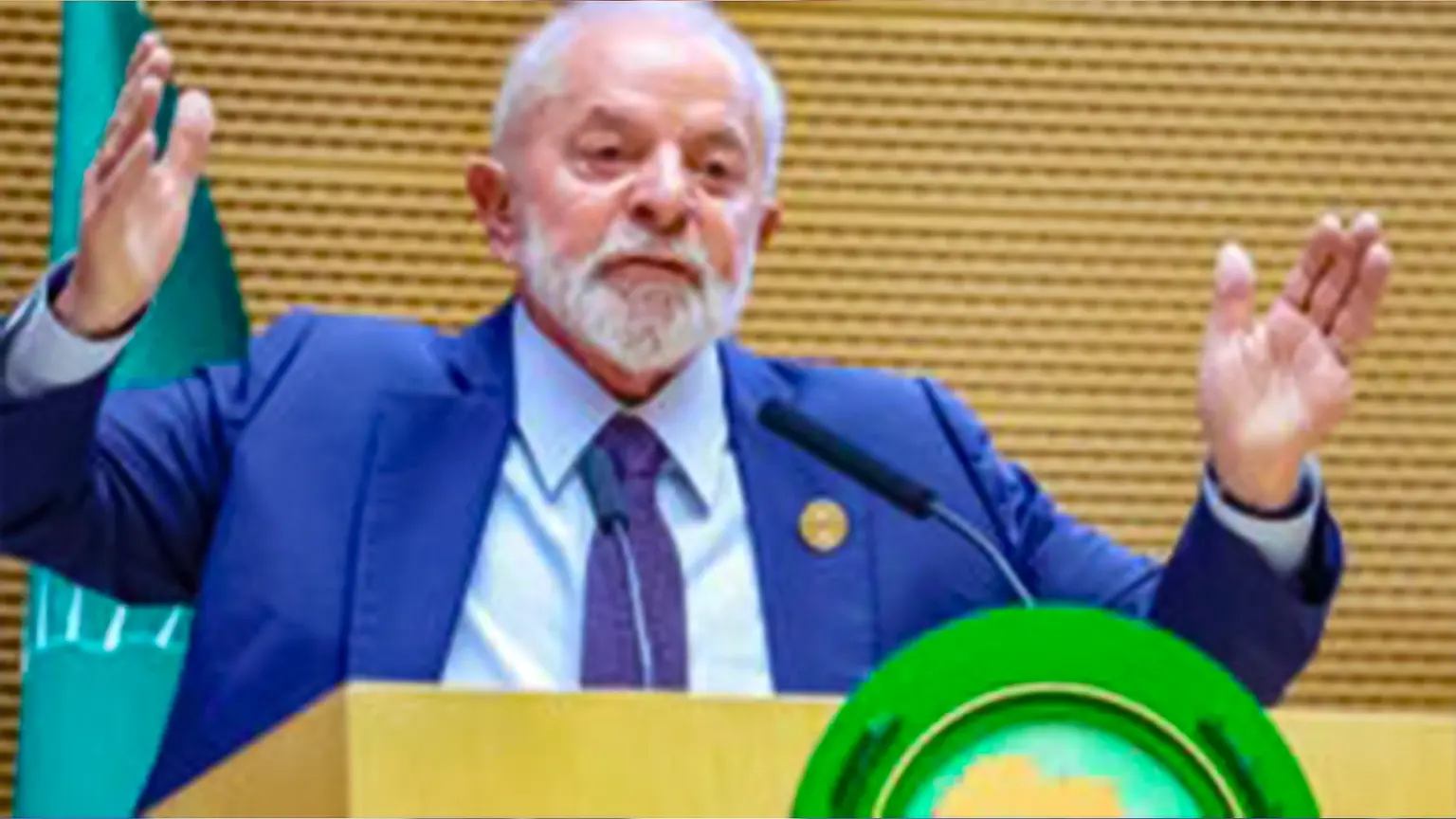
TINUBU SEEKS STRONGER NIGERIA-BRAZIL TIES AS SILVA WINS RE-ELECTION AMID PROTEST
President Bola Ahmed Tinubu has expressed interest in strengthening diplomatic and economic relations between Nigeria and Brazil following the re-election of Brazilian President Luiz Inácio Lula da Silva, as political developments surrounding the election continue to attract international attention.
Tinubu’s position reflects Nigeria’s interest in expanding cooperation with Brazil, one of Latin America’s largest economies, particularly in areas such as agriculture, energy, trade, education and industrial development.
Nigeria and Brazil have maintained diplomatic relations for decades, with both countries sharing interests in South-South cooperation and stronger economic partnerships among developing nations. Brazil’s experience in agricultural production, biofuels and industrial development offers potential areas for collaboration with Nigeria as it seeks to diversify its economy and strengthen local production.
Stronger bilateral relations could also create opportunities for Nigerian businesses to access Brazilian markets, attract investment and establish partnerships in sectors where both countries have complementary strengths.
Lula’s re-election is expected to shape Brazil’s domestic and foreign policy direction, including its engagement with African countries and participation in international economic groupings. His administration has previously emphasised social development, environmental protection and stronger cooperation with developing economies.
However, the election has also drawn attention to political divisions within Brazil, with protests reflecting dissatisfaction among some groups over the country’s political direction. Such developments could influence the domestic environment in which Lula pursues his second-term agenda.
For Nigeria, the priority will be translating diplomatic goodwill into practical benefits, including increased trade, technology transfer, agricultural cooperation and investment in productive sectors.
Economic relations between both countries have the potential to expand, but achieving meaningful progress will require sustained engagement between government agencies, businesses and private sector investors.
Tinubu’s call for stronger ties therefore highlights Nigeria’s broader effort to deepen international partnerships and explore new avenues for economic growth.
As Brazil begins its next political chapter, the extent to which both countries can turn their shared interests into concrete agreements and mutually beneficial projects will determine the future direction of their relationship.