


GOVERNMENT & POLICY
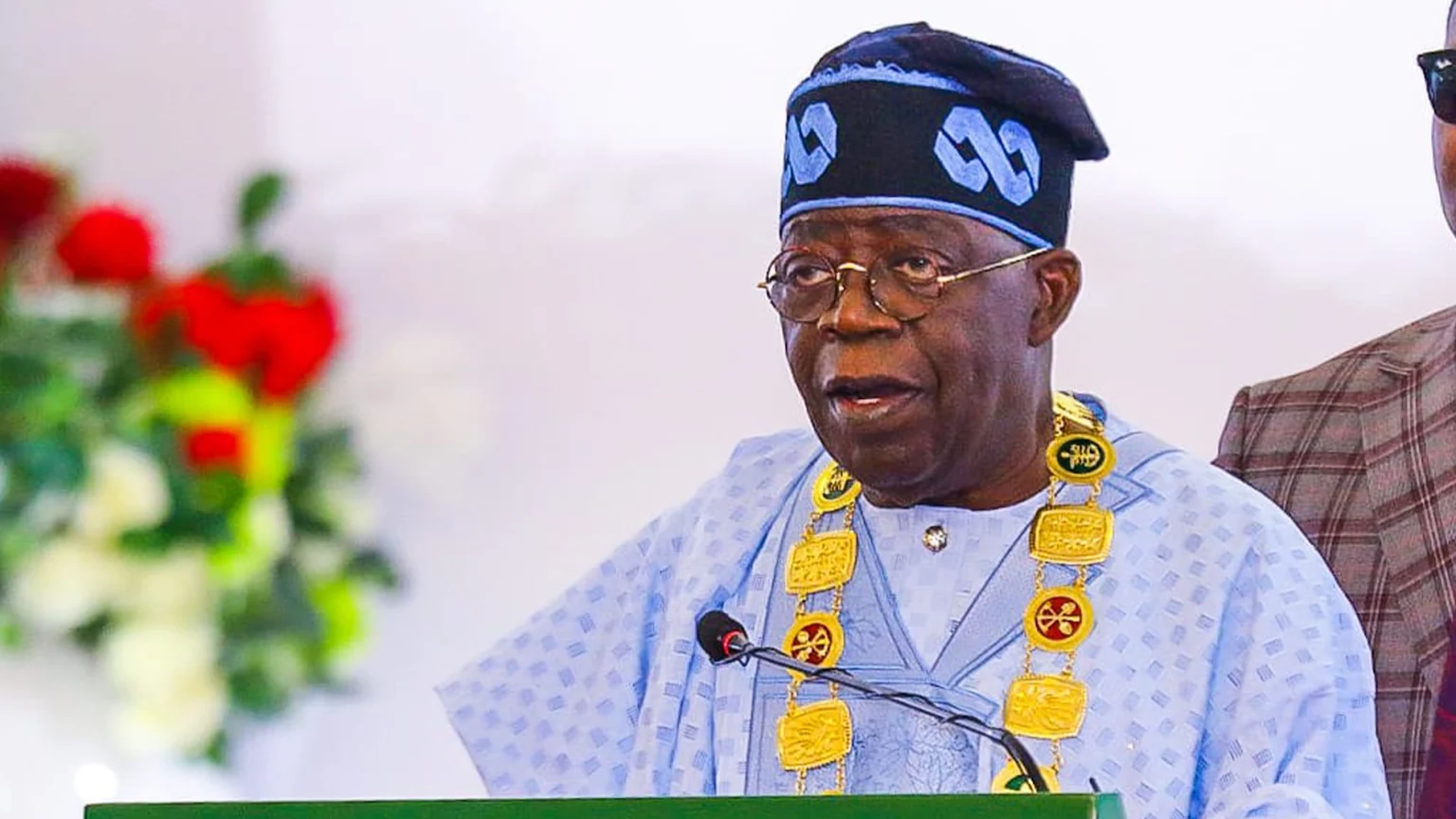
TINUBU TRIMS 2026 SPENDING BY N3.15TR AMID FISCAL GOVERNANCE GAPS
President Bola Tinubu has proposed reducing Nigeria’s 2026 national budget by approximately ₦3.15 trillion, bringing total expenditure down from ₦68.32 trillion to ₦65.18 trillion amid growing concerns over fiscal planning, budget implementation and public financial management.
The proposed adjustment was conveyed to the National Assembly in a letter dated November 20, 2026, and read during plenary by the Speaker of the House of Representatives, Tajudeen Abbas.
Despite the reduction in expenditure, the Federal Government intends to retain its ₦31.46 trillion fiscal deficit and ₦29.22 trillion borrowing plan. The borrowing arrangement comprises ₦18.43 trillion in domestic loans and approximately ₦10.79 trillion in foreign borrowing.
Under the revised proposal, projected government revenue stands at ₦33.72 trillion, while capital expenditure is expected to fall to ₦26.23 trillion.
Tinubu explained that the adjustment was necessary to accommodate outstanding financial obligations, including expenditures incurred by the Nigerian National Petroleum Company Limited (NNPCL) on behalf of the federation, under-provided debt-service commitments, previously issued capital warrants and supplementary financial obligations.
The proposal also includes additional allocations for selected ministries, departments and agencies to support priority projects, particularly critical road infrastructure, agricultural production, reduced production costs and improved access to markets.
However, the decision to reduce expenditure without lowering the deficit or borrowing projections has raised questions among economists and public finance experts about the government's fiscal priorities and the assumptions underpinning its budget.
Some experts have supported the reduction, arguing that aligning expenditure with available resources could improve budget implementation. Others have questioned why the government continues to borrow heavily despite reducing its spending plans.
Lead Director of the Centre for Social Justice, Eze Onyekpere, criticised the adjustment, describing it as insufficient to address the country's deeper fiscal challenges. He also raised concerns about capital budget implementation and the government's growing reliance on borrowing.
Similarly, financial analyst Abiodun Ogunniyi argued that the adjustment represents more of a budget realignment than genuine fiscal tightening, since the deficit and borrowing projections remain unchanged.
The controversy comes amid concerns over overlapping budget cycles, delayed capital project implementation and the continued extension of previous appropriations.
The Federal Government has acknowledged some of these challenges and is considering harmonising the 2026 and 2027 budgets, with outstanding capital expenditure expected to be transferred into the next fiscal year.
The proposed changes are expected to undergo further legislative scrutiny, particularly regarding the implications for infrastructure funding, debt accumulation and accountability in public spending.