


BREAKING NEWS
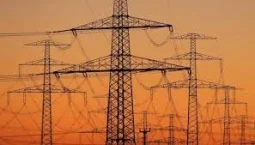
TRANSMISSION LOSSES COST NIGERIA’S POWER SECTOR N2.6BN IN THREE MONTHS
The Transmission Company of Nigeria (TCN) has reported significant financial losses amounting to N2.6 billion within the first quarter of the year due to inefficiencies in the national power transmission network.
According to industry data, these losses stem from technical faults, outdated infrastructure, and frequent system collapses that result in unaccounted-for energy. Stakeholders say the figure underscores the urgent need for massive investment in upgrading transmission lines, substations, and related facilities.
Power sector experts warned that persistent transmission losses not only drain revenue but also hinder the sector’s ability to deliver stable electricity to consumers. The losses contribute to the wider problem of low generation-to-distribution efficiency, exacerbating the country’s chronic power supply challenges.
The TCN has initiated several projects aimed at expanding transmission capacity and reducing losses, but implementation has been slowed by funding constraints and logistical issues. Analysts recommend accelerated public-private partnerships and the adoption of modern technologies to modernise the grid.
As Nigeria pushes for improved electricity supply, stakeholders are calling on the government to prioritise transmission infrastructure as a critical component of overall sector reform.
The development highlights the gap between power generation efforts and actual delivery to end-users.