


NATIONAL NEWS
UMAHI CALLS FOR ANTI-CORRUPTION INVESTIGATION INTO FEDERAL ROAD PROJECTS
Minister of Works, David Umahi, has directed a comprehensive anti-corruption review of federal road projects across the country, aimed at strengthening transparency and accountability in infrastructure delivery.
Umahi made this known on Wednesday in Abuja, stating that the ministry had formally invited the Independent Corrupt Practices Commission (ICPC) and the Economic and Financial Crimes Commission (EFCC) to independently assess road projects nationwide.
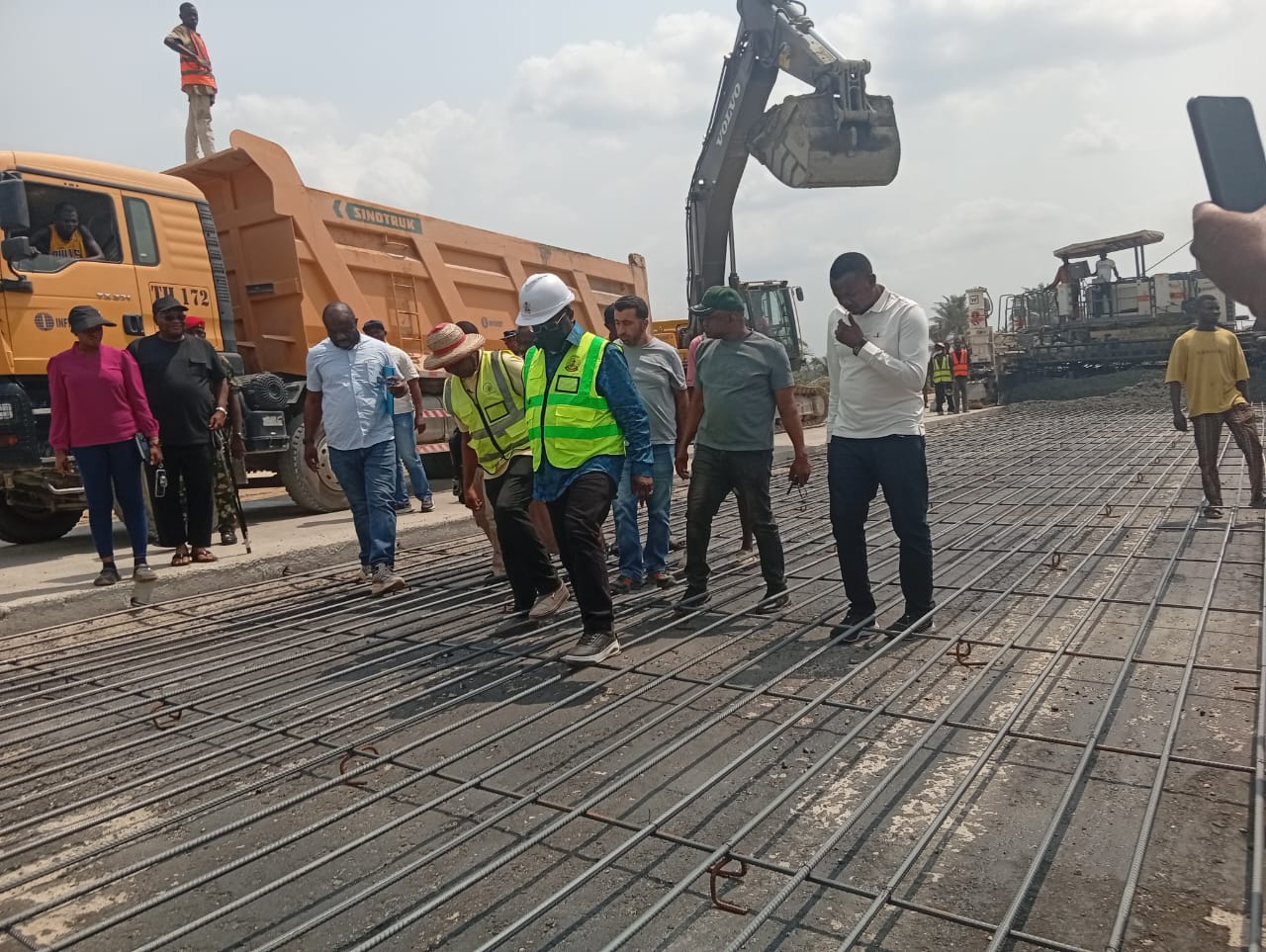
According to him, the review goes beyond paperwork, focusing on physical verification of projects being executed under the current administration.
“We requested the ICPC to investigate all our projects—not just on paper, but through on-site inspections to confirm what the President is delivering,” he said.
Umahi revealed that the ICPC has already concluded its review, having been given full access to examine procurement processes without interference. He added that the EFCC is expected to commence its own investigation after the Sallah holidays.
“We are not concealing anything because our priority is the welfare of the people,” he stated.
The minister explained that the ministry’s costing framework allows for detailed breakdowns of project expenses, ensuring full accountability for materials and construction processes.
“If inquiries are made about any project, we can provide a complete cost analysis—covering cement, sand, aggregates, equipment, and every other component,” he said.
Umahi also defended the ministry’s shift from asphalt to concrete roads, noting that despite initial resistance, the change is in the best interest of Nigerians due to the durability of concrete infrastructure.
“We took that decision because concrete roads last longer and ultimately serve the public better,” he added.
He further emphasized the broader impact of poor road infrastructure, describing it as a major barrier to movement and economic activity across the country.
“When roads become impassable, it effectively isolates communities, restricting movement and livelihoods. That is the challenge we are working to address,” Umahi said.