


PEOPLE & POLITICS
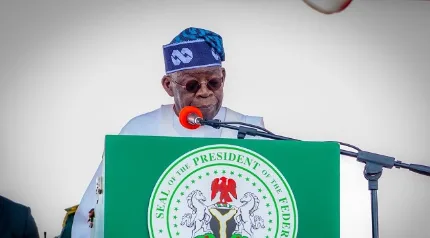
UMAHI SAYS SOUTH-EAST WILL VOTE DIFFERENTLY IN 2027 OVER TINUBU’S PROJECTS
The Minister of Works, David Umahi, has expressed confidence that the South-East region could approach the 2027 general election differently, citing infrastructure projects being undertaken by President Bola Ahmed Tinubu’s administration.
Umahi’s position reflects the expectation among supporters of the ruling All Progressives Congress (APC) that federal government projects and visible development efforts could influence voting patterns in a region where the party has historically faced significant political challenges.
Infrastructure development has remained a major part of the Tinubu administration’s agenda, with road construction and rehabilitation among the projects being highlighted by government officials. For the South-East, improvements to major roads are particularly important because of their potential to ease transportation, support trade and improve connections between commercial centres.
In an interview with ARISE News, Umahi described the South-East’s overwhelming support for Peter Obi in the 2023 presidential election as an expression of anger over what he considered the region’s marginalisation under the previous administration. He argued that the situation had changed under Tinubu, pointing to federal appointments and infrastructure investments as evidence of greater inclusion.
The minister highlighted ongoing federal road projects and other investments, insisting that residents of the region would take these developments into account when deciding how to vote in 2027. He also expressed confidence that political leaders and voters in the South-East would increasingly support Tinubu’s re-election bid.
Umahi maintained that the region’s political interests should not be tied permanently to a particular candidate or party. He argued that greater engagement with other parts of the country would be necessary if the South-East hoped to strengthen its influence in national politics and improve its chances of producing a future president.
His comments come as political parties and prominent figures begin positioning themselves ahead of the 2027 general election. The South-East remains an important region in the contest, particularly following Obi’s strong performance across the five states in the 2023 presidential election.
However, whether infrastructure projects and federal appointments will significantly change voting patterns remains to be seen. Voters will ultimately assess the administration’s record alongside concerns about the economy, security, employment and the cost of living.
Umahi’s prediction therefore sets the stage for a potentially competitive political contest in the South-East, where the impact of government projects, public sentiment and opposition mobilisation will help determine the outcome of the 2027 election.