


HEALTHWISE
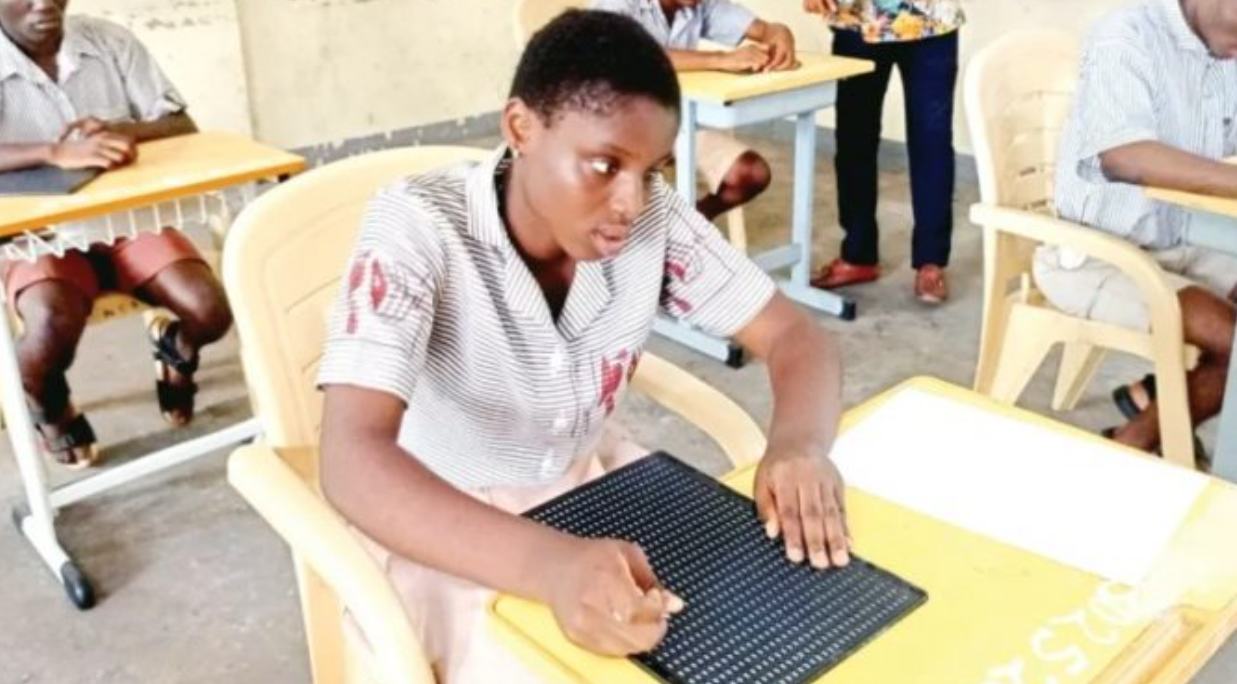
UNFAIR BARRIERS: BLIND CANDIDATES’ DREAMS CRUSHED BY WAEC RESULT DELAYS
Blind candidates seeking admission into higher institutions in Nigeria are facing uncertainty over their academic futures following reported delays in the release of their West African Examinations Council (WAEC) results.
The situation has raised concerns about the challenges confronting visually impaired students within the country's education system, particularly when examination arrangements and administrative delays affect their ability to progress academically.
For candidates hoping to secure admission into universities and other higher institutions, timely access to examination results is essential. Delays can disrupt application processes, scholarship opportunities and other admission requirements that depend on the availability of official academic records.
The affected candidates also face additional barriers associated with accessing educational materials, examination facilities and administrative services designed to accommodate their needs.
Disability rights advocates have consistently called for more inclusive education policies, arguing that visually impaired students should enjoy the same opportunities as other candidates without unnecessary institutional obstacles.
The concerns surrounding the WAEC results have renewed questions about the effectiveness of existing arrangements for candidates with special educational needs.
Stakeholders are expected to press for urgent intervention to ensure that affected students receive their results and are not disadvantaged in the pursuit of higher education.
The development highlights the need for examination bodies and educational authorities to strengthen administrative processes and ensure that disability does not become an additional barrier to academic progress.
For the affected candidates, resolving the delays is not simply an administrative matter but a crucial step towards protecting their educational ambitions and future opportunities.