


BREAKING NEWS
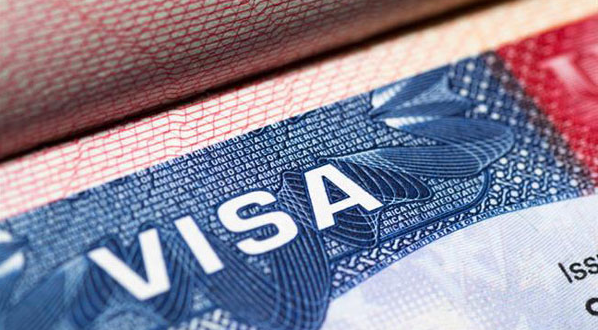
US WARNS NIGERIAN VISA HOLDERS FACE ONGOING SECURITY CHECKS AFTER APPROVAL
The United States Government has issued a fresh warning to Nigerian visa applicants, stating that security checks do not end once a visa is approved.
According to the update, individuals granted U.S. visas may still be subject to continuous vetting even after receiving approval. This means that travelers could face additional scrutiny at any stage before departure, upon arrival, or even during their stay in the United States.
The move reflects a broader tightening of immigration processes, as the United States Department of State emphasizes its commitment to national security. Authorities say the policy is not targeted at a specific group but is part of a global system designed to monitor potential risks in real time.
For many Nigerian applicants, this introduces a new layer of uncertainty. Traditionally, visa approval has been seen as the final hurdle. However, this development changes that perception, making it clear that approval does not guarantee unrestricted entry or stay.
Security vetting may include reviewing updated personal information, travel history, or any new data that raises concerns. In some cases, visas could be revoked if new findings emerge after approval.
While the U.S. maintains that the system is necessary for safety, the announcement has sparked mixed reactions. Some view it as a reasonable step in a rapidly changing global security landscape, while others worry about its implications for travelers and the possibility of sudden disruptions to travel plans.
For Nigerians planning to visit the United States, the key takeaway is simple: visa approval is just one step in a longer process. Staying compliant with immigration rules and maintaining accurate records is now more important than ever.
As global travel continues to evolve, policies like this highlight how countries are increasingly prioritizing security sometimes at the cost of predictability for travelers.