


NEWS XTRA
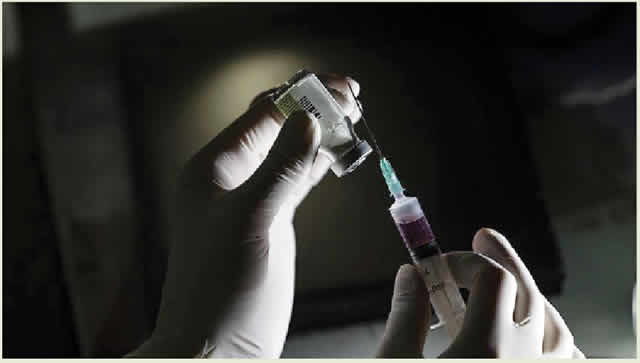
VACCINES ARE LIFESAVERS, WHO INSISTS AS WORLD IMMUNISATION WEEK BEGINS
The World Health Organisation has said vaccines have saved more than 150 million lives over the past 50 years, stressing that immunisation remains one of the most effective ways to protect people from deadly diseases.
WHO stated this in a statement on Friday as World Immunisation Week commenced globally, running from April 24 to April 30.
According to the organisation, vaccines have helped individuals, families, and communities guard against diseases such as measles, diphtheria, pertussis, polio, and rotavirus.
During the week-long campaign, WHO and its partners are highlighting the benefits of vaccines at every stage of life, alongside scientific breakthroughs that have produced safe and tested vaccines against malaria, HPV, cholera, dengue, meningitis, RSV, Ebola, and mpox.
The organisation noted that this year marks the midpoint of Immunisation Agenda 2030, a global initiative aimed at ensuring everyone benefits from life-saving vaccines.
A progress report released by WHO stated that despite challenges such as the COVID-19 pandemic, geopolitical instability, climate disruption, and limited financing, immunisation efforts over the last five years have prevented millions of deaths.
However, the report warned that many targets remain off track due to persistent gaps in routine vaccine coverage, equity, and outbreak prevention in several countries.
WHO called for renewed commitments to strengthen national immunisation programmes, improve integration with primary healthcare systems, and prioritise vaccine access globally.
Also on Friday, WHO, UNICEF, and Gavi announced that “The Big Catch-up,” a global effort launched in 2023 to recover vaccination losses caused largely by the COVID-19 pandemic, has reached an estimated 18.3 million children aged one to five across 36 countries.
The campaign has also delivered 23 million doses of inactivated polio vaccine to unvaccinated and under-vaccinated children, supporting global polio eradication efforts.
WHO said the initiative is on track to meet its target of vaccinating at least 21 million children.
In October 2024, the WHO Country Representative to Nigeria, Dr Walter Mulombo, reaffirmed that vaccines are safe and effective.
He said every vaccine approved by the WHO undergoes a rigorous review process to confirm its efficacy and safety.