


NEWS XTRA
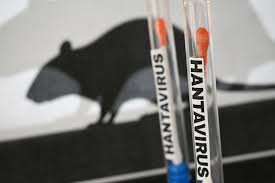
WHAT YOU NEED TO KNOW ABOUT HANTAVIRUS
Hantavirus is a rare but serious viral infection carried by rodents that can cause severe illness in humans. Recent cases linked to a cruise ship have brought renewed attention to the disease, but health experts say the risk to the general public remains low.
Hantaviruses are a group of viruses found in rodents such as rats, mice, and voles. These animals do not get sick from the virus but can pass it to people through their urine, droppings, or saliva. Humans usually get infected by breathing in dust or aerosols contaminated with rodent waste, especially when cleaning enclosed spaces, or through direct contact with infected material.
Most strains spread only from rodents to humans. However, the Andes virus strain, found mainly in parts of South America, is the only one known to spread from person to person in rare cases, usually through close or prolonged contact such as sharing a bed, kissing, or exposure to body fluids.
Symptoms Symptoms typically appear between one and eight weeks after exposure. Early signs often feel like the flu: fever, headache, muscle aches (especially in the back and legs), fatigue, dizziness, chills, nausea, vomiting, or diarrhoea.
After a few days, some people develop more serious breathing problems, coughing, chest tightness, and fluid in the lungs. This is known as Hantavirus Pulmonary Syndrome (HPS). In other regions, it can affect the kidneys and cause bleeding. Severe cases can progress quickly and become life-threatening, with a fatality rate that can reach 30-50% without good medical care.
Treatment and Prevention There is no specific cure or vaccine for hantavirus. Treatment focuses on supportive care in hospital, including oxygen, fluids, and in critical cases, machines to help breathing and blood circulation. Early medical attention greatly improves chances of survival.
The best way to prevent infection is to avoid contact with rodents and their droppings. Simple steps include:
- Sealing holes in homes and buildings to keep rodents out
- Storing food in closed containers
- Wearing masks and gloves when cleaning areas that may have rodent waste
- Avoiding sweeping or vacuuming dry droppings, which can spread particles in the air
Current Context In May 2026, a cluster of cases involving the Andes strain was reported on the expedition ship MV Hondius. The outbreak has caused several confirmed infections and deaths, with some human-to-human spread suspected due to close quarters on the ship. Health authorities are monitoring passengers and contacts, but they stress that this is an unusual situation and not easily spread in everyday settings.
For most people in Africa and around the world, the everyday risk of hantavirus is very low. It is mainly a concern in areas with high rodent populations or during activities that disturb rodent habitats.
If you develop flu-like symptoms after possible rodent exposure, seek medical help quickly, especially if breathing becomes difficult. Staying informed and practicing good hygiene around potential rodent areas remains the best protection.