


INTERNATIONAL
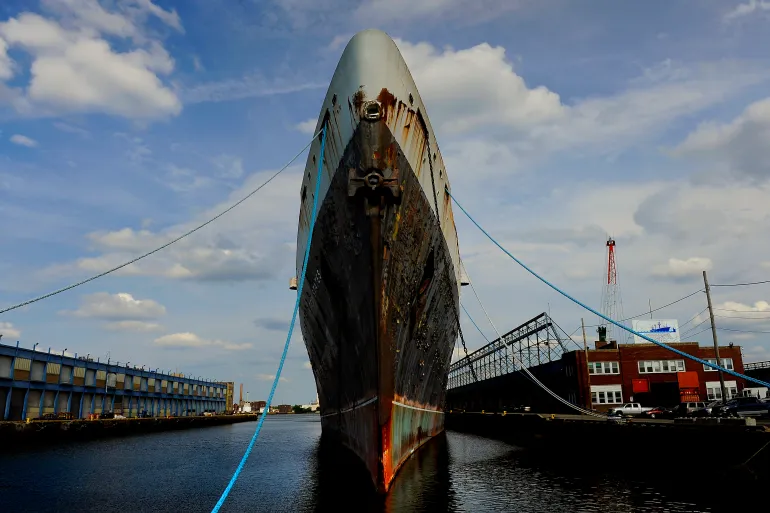
WHY THE HISTORIC SS UNITED STATES WAS SUNK TO CREATE AN ARTIFICIAL REEF
The SS United States, once a symbol of ocean travel, has been deliberately sunk off Florida’s coast to create an artificial reef and diving attraction.
The 302-metre vessel settled on the seabed near Destin on Wednesday after gradually filling with water over about five hours.
Its sinking marks the end of decades of attempts to find a sustainable future for the retired passenger liner.
Why Was It Sunk?
The ship stopped carrying passengers in 1969 as air travel transformed transatlantic transport. It later spent years docked in Philadelphia while successive owners explored restoration plans.
Maintenance and docking costs continued to rise. Daily dockage fees reached $1,700 in 2021, adding to the financial pressure on preservation efforts.
Florida’s Okaloosa County bought the vessel for $1 million in 2024, planning to turn it into a major artificial reef.
County officials said it underwent a year of environmental preparation to meet regulatory requirements before sinking.
A Record-Breaking Past
The SS United States entered service in 1952 and set a transatlantic speed record on its maiden voyage.
It crossed the Atlantic in three days, ten hours and 40 minutes, averaging nearly 66 kilometres per hour—a record unbeaten by another passenger liner.
During its 17-year career, it carried political leaders, entertainers and other prominent passengers, including John F Kennedy, Marilyn Monroe and Duke Ellington.
What Happens Next?
Officials expect the wreck to provide habitat for fish and other marine life while attracting divers and supporting tourism.
Ships prepared for reef projects must undergo extensive cleaning to remove fuel and other potentially harmful materials.
Over time, marine organisms can colonise the structure, turning its surfaces and compartments into shelter and feeding areas.
The project gives the former ocean liner a new purpose beneath the water after years of uncertainty about its future.