


NEWS XTRA
ZONING SPLITS COALITION, OBIDIENTS DEMAND SOUTHERN CANDIDATE
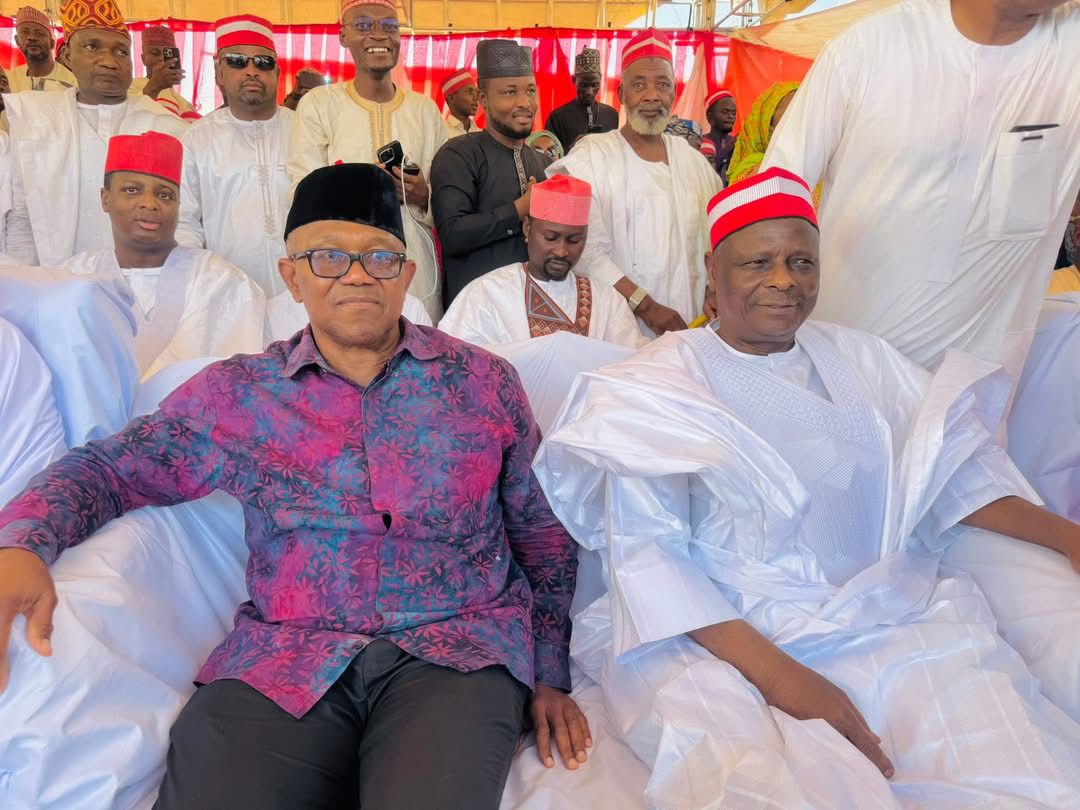
Loyalists of former Anambra State Governor Peter Obi and ex-Kano State Governor Rabiu Musa Kwankwaso have called on the opposition to adopt a Southern presidential candidate, intensifying conversations about coalition-building ahead of the 2027 general elections.
However, opposition parties, including the African Democratic Congress, the New Nigeria People’s Party, and the Social Democratic Party, remain divided on whether the presidential ticket should be zoned to the North or the South.
The National Publicity Secretary of the ADC said the party is not committed to zoning but to the electoral viability of contestants.
The push for a southern consensus candidate follows a high-profile political gathering in Ibadan, where opposition figures across multiple platforms reportedly explored the possibility of forming a united front to challenge the ruling All Progressives Congress in 2027.
The meeting, attended by prominent political figures including former Vice President Atiku Abubakar, Peter Obi, Rabiu Kwankwaso, and former Rivers State Governor Rotimi Amaechi, resolved to work toward presenting a single presidential candidate against President Bola Tinubu.
The decision has since sparked debate within political circles, with growing calls for opposition cohesion countered by claims that internal divisions remain a major obstacle.
Speaking on the issue, the National Coordinator of the Obidient Movement Worldwide said the demand for a southern presidential ticket is rooted in equity and continuity, noting that the current presidency is already zoned to the South.
He argued that Peter Obi has indicated a willingness to serve only a single four-year term and should be considered for consensus candidacy if the opposition unites.
Supporters of the position insist that zoning remains a pragmatic approach to balancing representation in Nigeria’s diverse political landscape, even though it is not constitutionally required.
On the other hand, the ADC maintained that it has not adopted any zoning position, stating that the focus remains on selecting a candidate with the strongest electoral advantage.
The New Nigeria People’s Party acknowledged zoning as an important political factor but said consensus-building must prioritise national acceptability across regions.
The Social Democratic Party also said zoning remains a legitimate political consideration, but stressed that final decisions will depend on broader strategic interests.
Analysts say the opposition’s renewed push for unity is aimed at avoiding the vote-splitting that affected their performance in the 2023 elections.
However, they warn that disagreements over zoning, party interests, and candidate selection could still hinder the emergence of a unified opposition front ahead of 2027.